I

Iron Brew Works

Made by hand and by machine.

essay

The Morris Ranch Ribeye

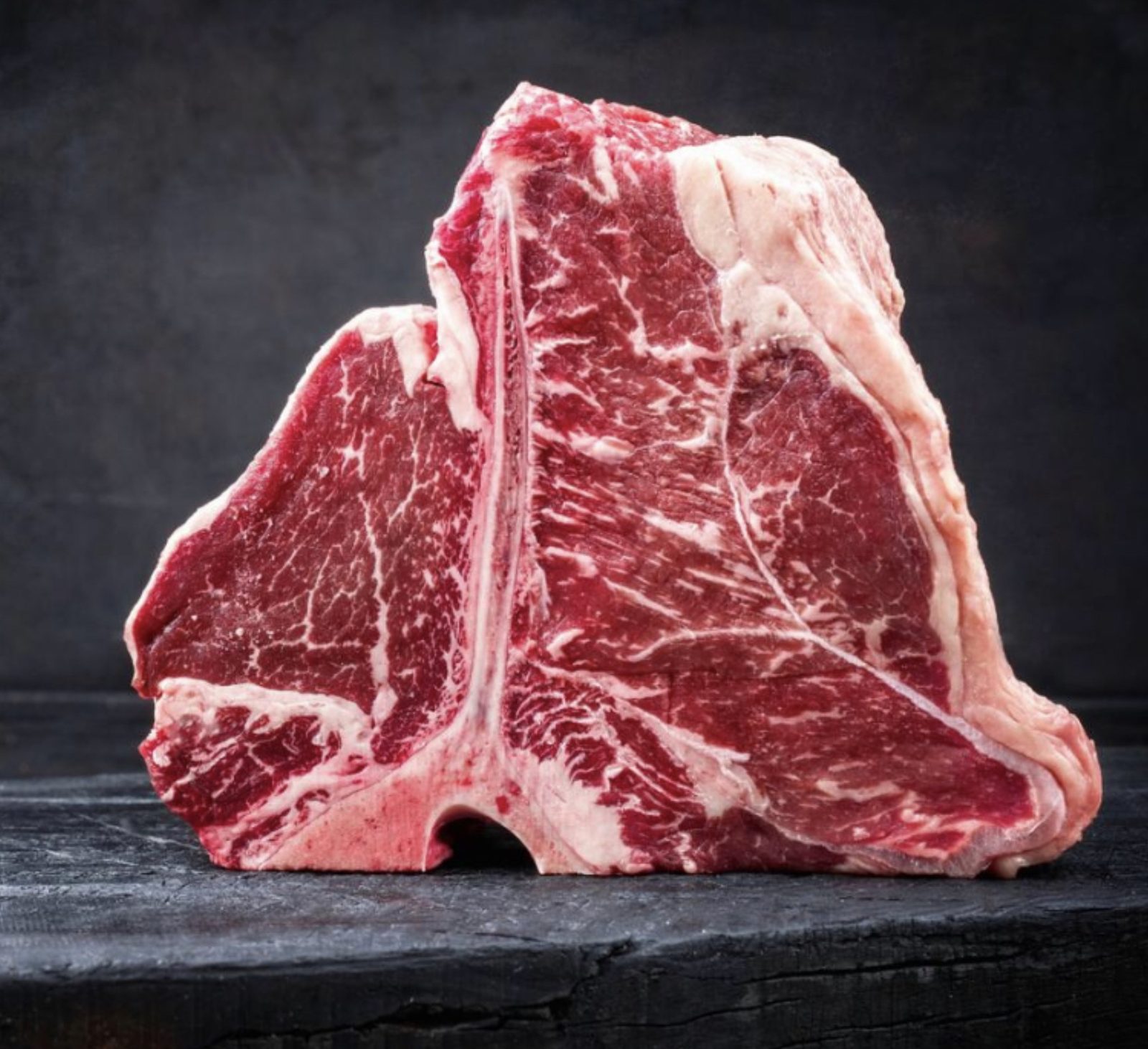
A thick-cut ribeye, seared dark from an espresso, cocoa, and ancho chili rub, resting after the grill.

A Morris Ranch ribeye was not what most people picture when they hear the word ribeye.

The steaks we cooked out on the Pedernales River were large – classically cut, porterhouse-thick, often tomahawk-bone-on. The kind of cut that announces itself when you set it down. Over the years, we cooked hundreds of them over charcoal and open fire. Not dozens. Hundreds. They became the signature of the place, the thing people talked about on the drive home, the thing they called about when they wanted to come back.

I’ve been thinking about those steaks lately, trying to pin down what made them work. Part of it was the fire – real hardwood charcoal, river air, time. Part of it was patience: after you pull a large ribeye off the heat, you rest it a full twenty minutes before you slice it, which requires trusting the process more than most people are comfortable doing. The rub did most of the work.

Over time we adapted several. Our house barbecue spice was one. The one that stuck, the one that became the Morris Ranch recipe, traces back to Robert Del Grande – the Houston chef of Café Annie, James Beard winner in 1992, and alongside Dean Fearing and Stephan Pyles, one of the founding fathers of American Southwestern cuisine. His most widely-copied creation was a coffee-rubbed beef tenderloin. The rub I use is in that lineage.

My version starts with the adobo straight from a can of chipotle peppers. Coat the steak before anything else. Then mix equal parts espresso powder, Dutch-process cacao, and ancho chili powder. I source the ancho almost exclusively from Pendery’s in Fort Worth, my go-to for spices whether I’m cooking at home or at Hill Country Chocolate. The proportions matter: equal parts, each doing something different. The espresso brings bitter depth. The cacao rounds it. The ancho adds heat with a sweetness behind it that you can’t quite name but notice when it’s gone.

Grill it to medium-rare. Rest it twenty minutes. The crust will look almost too dark, almost wrong – and then you slice it, and the inside is exactly right.

Morris Ranch is a chapter that’s closed now. The fires out there on the Pedernales, the smoke moving through the cedars, the sound a proper ribeye makes when it hits a seriously hot grate – I carry those things forward. There’s a new fire to build. This rub comes with it.


The Rub (equal parts by volume)

  • Espresso powder
  • Dutch-process 100% unsweetened cacao powder
  • Ancho chili powder (Pendery’s, Fort Worth)

Method

  1. Coat the ribeye generously with adobo from a can of chipotle peppers. Work it into the surface.
  2. Mix the three rub ingredients in equal parts. Coat the steak generously on all sides.
  3. Grill over charcoal or open fire to medium-rare.
  4. Rest a minimum of 20 minutes before slicing.
essay

Why a stream, not a blog

I’ve kept blogs before. Chef Dano ran for years — food, the ranch, French technique with a Texas accent. It was good. But a blog asks you to finish before you publish, and finishing is where most things go to die.

So this is a stream instead. Some posts will be a single line. Some a photograph with three words under it. Some a full essay like this one, and some a film. They all live in the same place, in the order they happened, because that’s how a life actually unfolds — not in tidy categories, but as one thing after another.

Austin Kleon calls this showing your work. You don’t wait until you’re an expert. You post the process, and the process is the point. If you start writing the story, sometimes the story starts writing you.

That’s the bet here. Build in public. Make often. Own the words.

Working Draft

A short note each week — what got made, cooked, shot, or shipped at the works. No noise.